In this blog post, we will explore the various technological innovations that are transforming the landscape of care homes and discuss what operators need to know to stay ahead in this rapidly evolving industry. From smart monitoring systems to assistive robots, we will delve into the benefits and challenges of implementing these technologies in care homes. Discover how these innovations can enhance the quality of care, improve efficiency, and provide a safer environment for residents. Stay tuned to learn about the latest trends and best practices in utilizing technology to revolutionize elderly care.
I. Introduction
Welcome to the future, where robots don’t just take over the world—they help take care of Grandma! In this blog post, we’re diving into the fascinating world of technological innovations in care homes. Whether you’re an operator, a caregiver, or just someone who’s curious about how tech is revolutionizing elderly care, you’re in the right place.
The Importance of Staying Updated
In a world where our smartphones get smarter every year, staying updated with technological advancements isn’t just a good idea—it’s essential. The care home industry is no exception. Operators who keep up with tech trends can provide better care, improve operational efficiency, and make life easier for everyone involved (yes, even Aunt Gertrude).
Benefits of Implementing Technology
Why bother with all this tech, you ask? Well, implementing technology in care homes offers a plethora of benefits for both residents and operators. From enhancing the quality of care to streamlining operations, the right tech can transform a care home from ordinary to extraordinary.
II. Current Technological Innovations in Care Homes
Smart Monitoring Systems
Picture this: sensors that keep an eye on residents’ safety and security 24/7 without needing a nap or a coffee break. Smart monitoring systems use advanced sensors and AI to monitor residents’ movements and vital signs, alerting staff to any potential issues before they become emergencies. It’s like having a digital guardian angel.
Assistive Robots
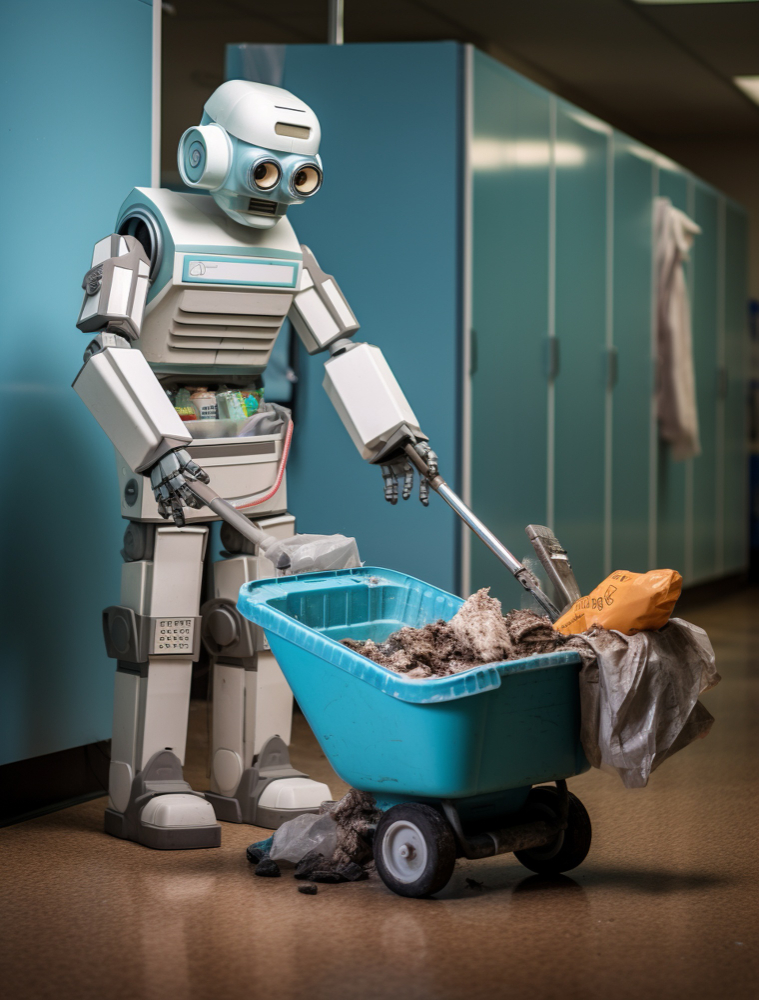
Remember the Jetsons’ robot maid, Rosie? We’re not quite there yet, but assistive robots are making significant strides. These robots can provide personalized care, assist with daily activities, and even offer companionship. Plus, they don’t need lunch breaks!
Other Innovative Technologies
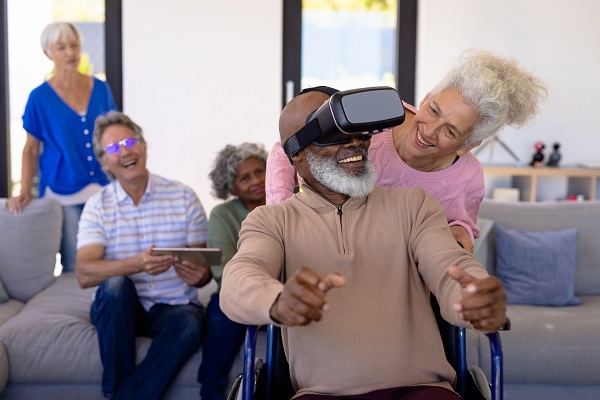
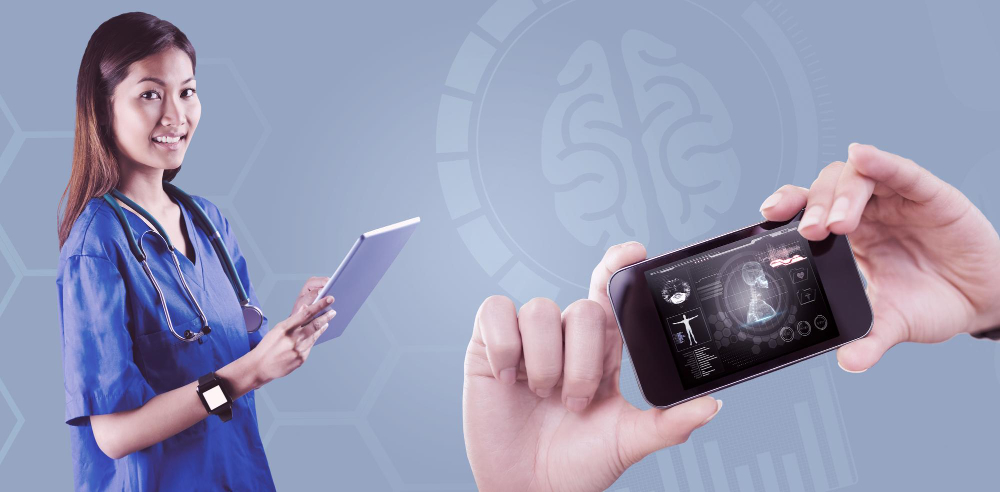
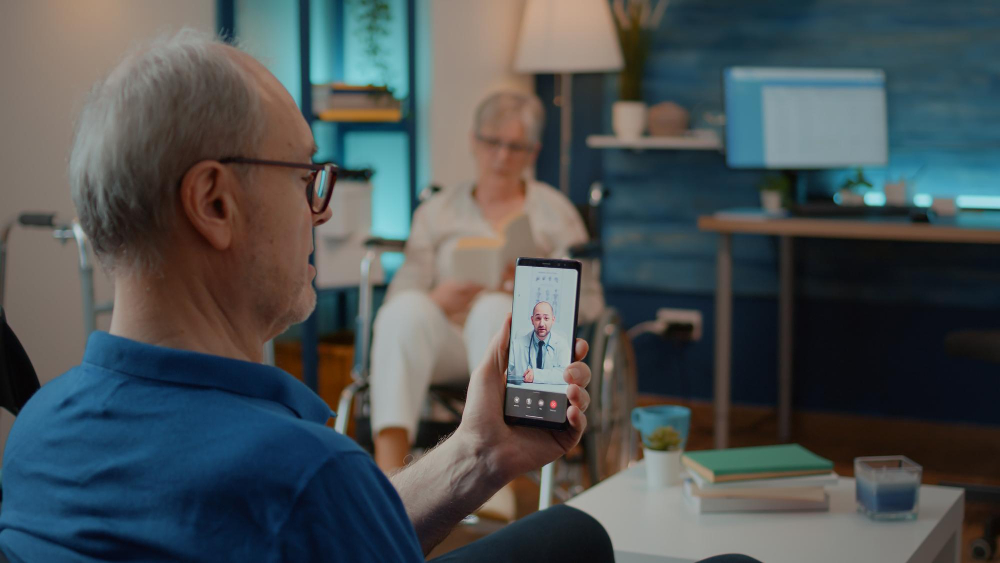
Let’s not forget the supporting cast: telemedicine for remote doctor consultations, wearable devices that track health metrics, and virtual reality for immersive experiences and therapy. These technologies are changing the game, making care homes more efficient and residents’ lives more enjoyable.
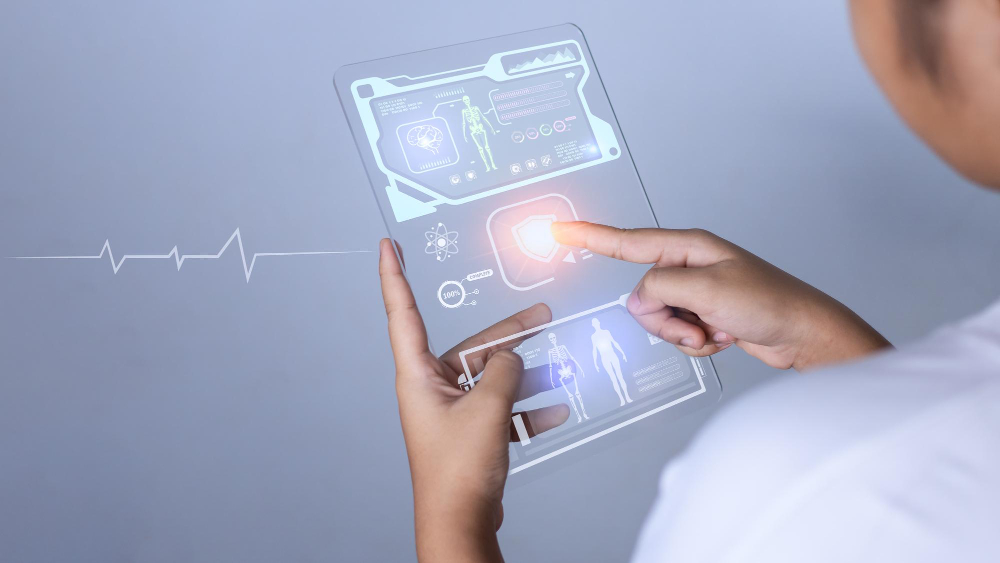
III. Benefits and Challenges of Implementing Technology
Benefits
- Improved Quality of Care: With real-time data and monitoring, caregivers can provide more responsive and personalized care.
- Increased Efficiency: Automation and smart systems can handle routine tasks, freeing up staff to focus on what really matters.
- Enhanced Resident Experience: From entertainment to health tracking, technology can make life in a care home more engaging and comfortable.
Challenges
Of course, it’s not all sunshine and rainbows. Implementing new technology comes with its own set of challenges:
- Cost: High-tech gadgets and systems can be expensive.
- Staff Training: Getting everyone up to speed with new tech requires time and effort.
- Data Security: Protecting sensitive information in a digital age is crucial.
IV. Best Practices and Trends in Utilizing Technology
Best Practices
For operators looking to integrate technology into their care homes, here are a few tips:
- Do Your Homework: Research thoroughly before investing in new tech.
- Involve the Team: Get staff input and buy-in during the decision-making process.
- Continuous Evaluation: Regularly assess the effectiveness and efficiency of the implemented technology.
Current Trends
- Remote Monitoring Systems: Keeping tabs on residents’ health from a distance.
- AI-Powered Care Solutions: Smart algorithms helping to predict and prevent health issues.
- Personalized Health Tracking Devices: Wearables that provide customized health insights.
V. Conclusion
To wrap it all up, embracing technological innovations in care homes is not just a trend—it’s a necessity. By staying informed about the latest trends and best practices, operators can enhance the quality of care, improve efficiency, and create a safer and more enjoyable environment for residents. So, keep your tech radar on and get ready to revolutionize elderly care.
Oh, and before we sign off, don’t forget about our digital charting app. Charting medications with your smartphone is now as easy as posting on Facebook—though probably with fewer cat memes.
Stay tuned for more updates on how technology is transforming the care home industry. Until next time, keep those gadgets charged and your minds open!
Frequently ask questions (Faqs)
What is the primary benefit of implementing smart monitoring systems in care homes?
How do assistive robots improve the efficiency of care homes?
What are the main challenges operators face when introducing new technology in care homes?
How can operators keep up with the latest technological trends in elderly care?
You may also like
- https://www.mychartspace.com/how-to-become-a-caregiver/
- https://www.mychartspace.com/health-and-safety-in-residential-care-homes/
- https://www.mychartspace.com/caregiver-burnout/
- https://www.mychartspace.com/digital-charting-for-caregivers/
- https://www.mychartspace.com/dealing-with-difficult-elderly-patients/
- https://www.mychartspace.com/how-to-manage-caregiver-stress/
- https://www.mychartspace.com/marketing-tips-for-residential-care-homes/